
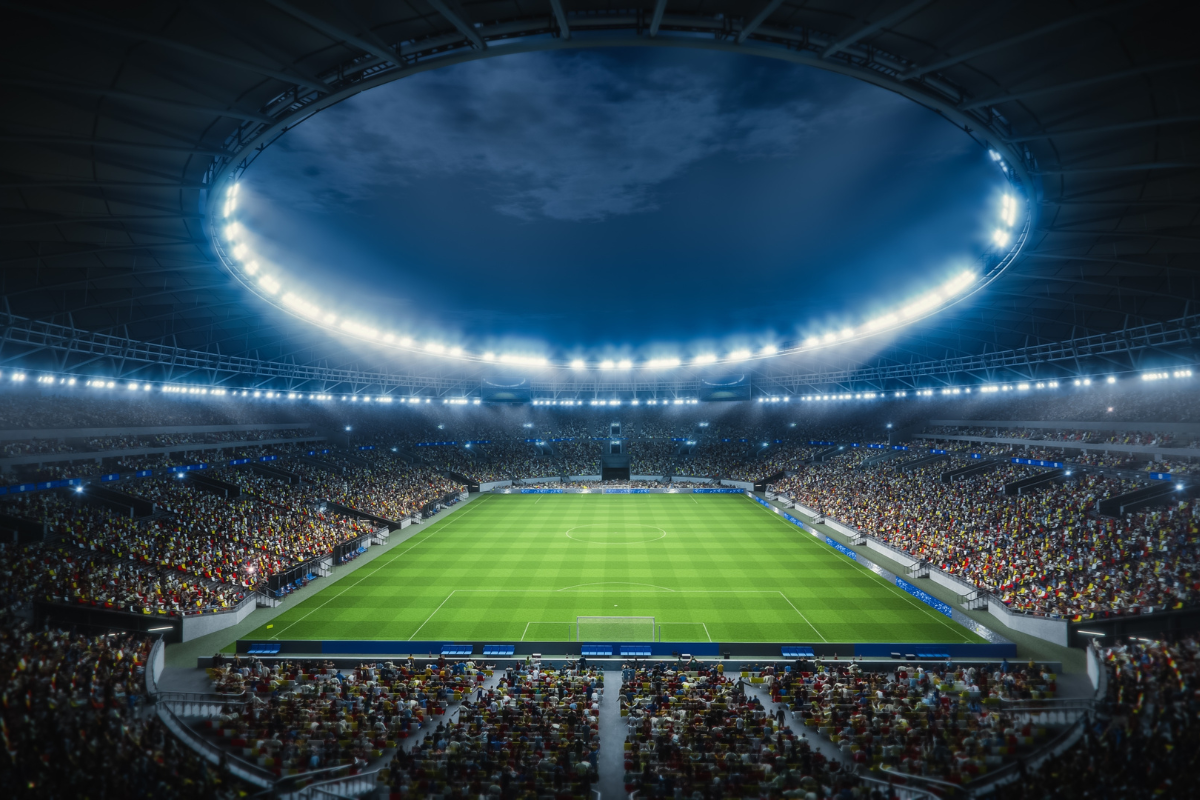
When the United States hosts a major global event, it’s usually framed as a celebration. Packed stadiums. Massive television audiences. Flags waving. A reminder of scale and spectacle that few countries can match.
But lately, some are starting to ask a quieter question.
Is the country becoming too politically and culturally divided to comfortably host the world’s biggest moments?
The U.S. is preparing to take on a major role in upcoming global sports. The 2026 FIFA World Cup will be hosted across the United States, Canada, and Mexico, with multiple American cities staging matches. Just two years later, Los Angeles will host the 2028 Summer Olympics, bringing thousands of athletes and millions of visitors from around the world.
On paper, the infrastructure is there. Massive stadiums. Broadcast dominance. Corporate sponsorships. Security planning. The U.S. has done this before, from past Olympics to previous World Cups.
What feels different now isn’t the logistics. It’s the atmosphere.
Over the past several years, the country has experienced deep political polarization, high-profile protests, contentious elections, and intense online division. Major sporting events have increasingly become cultural flashpoints, with debates over national symbols, public messaging, athlete activism, and security.
Even routine pregame moments can spark national arguments.
That doesn’t mean the U.S. cannot host these events successfully. In fact, many argue the opposite — that global sporting moments can unify, even briefly, across party lines. Big games still draw millions of viewers. Stadiums still sell out. Shared moments still happen.
But international perception matters too.
Global tournaments are about more than sports. They are about image. Stability. Hospitality. Confidence. Countries hosting events are, in many ways, presenting themselves to the world.
And that’s where the conversation gets complicated.
Some critics point to rising security costs and logistical challenges in an era of heightened political tensions. Others say concerns are overstated, arguing that large-scale events in the U.S. consistently run smoothly despite domestic debates.
There’s also the economic angle. Hosting global tournaments brings tourism revenue, job creation, and international attention. But it also comes with massive spending and coordination between federal, state, and local governments — which can become politically charged in a divided climate.
So the real question may not be whether America can host the world’s biggest events.
It’s whether the surrounding political climate changes how those events are experienced — both by Americans and by the world watching.
When the opening ceremony begins in 2026 and again in 2028, the spotlight will be bright. The crowds will be loud. The cameras will be everywhere.
Will it feel like a celebration of global unity?
Or a test of national cohesion?
What do you think? Are these global events a chance to bring people together, or are we too divided right now for that kind of moment?
Follow us for more stories like this.