A Supreme Court decision was expected to rein in his trade strategy.
Instead, it may have pushed him further.
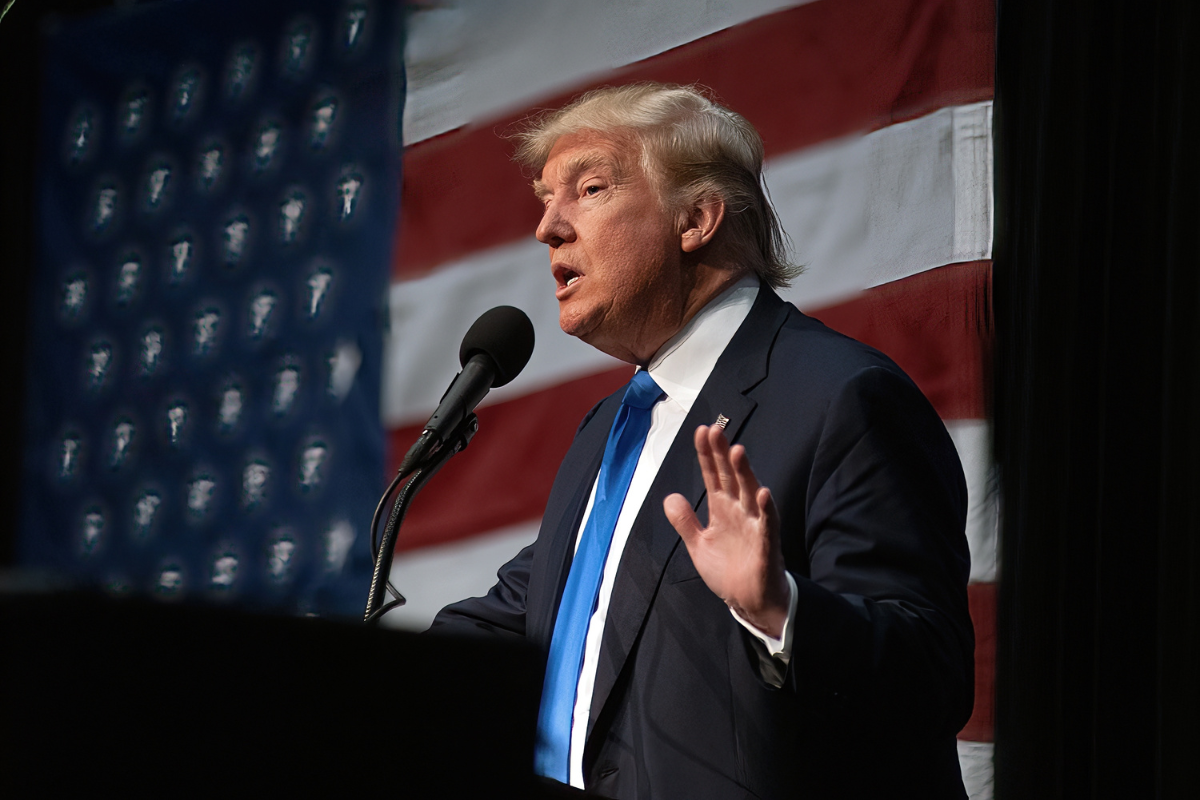
After the high court struck down key parts of his tariff authority, President Donald Trump signaled he is not backing off. He is now moving forward with plans for a new 10% global tariff, reviving one of the most controversial pillars of his economic agenda.
The reaction has been sharp and divided.
Critics warn that sweeping tariffs often lead to higher consumer prices, especially on imported goods that move through complex supply chains. At a time when many households are already watching their spending closely, some economists say broad tariffs could add pressure in places Americans notice most like everyday purchases.
Some lawmakers from both parties have also raised concerns about executive power after the court’s decision, arguing Congress should play a stronger role in major trade shifts.
Supporters see it differently. They argue tariffs are a necessary tool to protect American manufacturing and push back against foreign competitors. To them, this is about leverage and long-term economic independence, not short-term discomfort.
But public opinion appears unsettled. Polling has shown skepticism toward how tariffs are being handled, adding another layer of political tension as Trump moves ahead despite the legal setback.
The Supreme Court ruling limited parts of his tariff authority, but it did not end the broader trade fight, according to Global News.
And with Trump signaling he intends to keep pressing forward, the battle over tariffs may now shift from the courtroom to the economic realities Americans experience day to day.
Follow us for more stories shaping the national conversation.